Hi! We’re the Queen’s Business Review.
We deliver perspectives from those aspiring to initiate global impact.
As Canada’s leading undergraduate business publication, Queen’s Business Review aims to inspire, educate and empower the business leaders of tomorrow.
IN CASE YOU MISSED IT
FALL 2024 PRINT
Get all the tips and tricks for your next interview, click here
In this editorial, Financial Markets Editor Daneez Ahmed looks past Klarna’s pastel branding and “pay in 4” promise to the debt sitting underneath. Her piece traces how Klarna courts Gen Z and Millennials as a budgeting tool, even as it reassures merchants that its logo at checkout will nudge customers to spend more and walk away with fuller carts. Ahmed shows how that gap in messaging, combined with the way Klarna approves, reports on, and collects its loans, can leave users carrying risks that feel very different from the light, “smooth” experience they were sold.
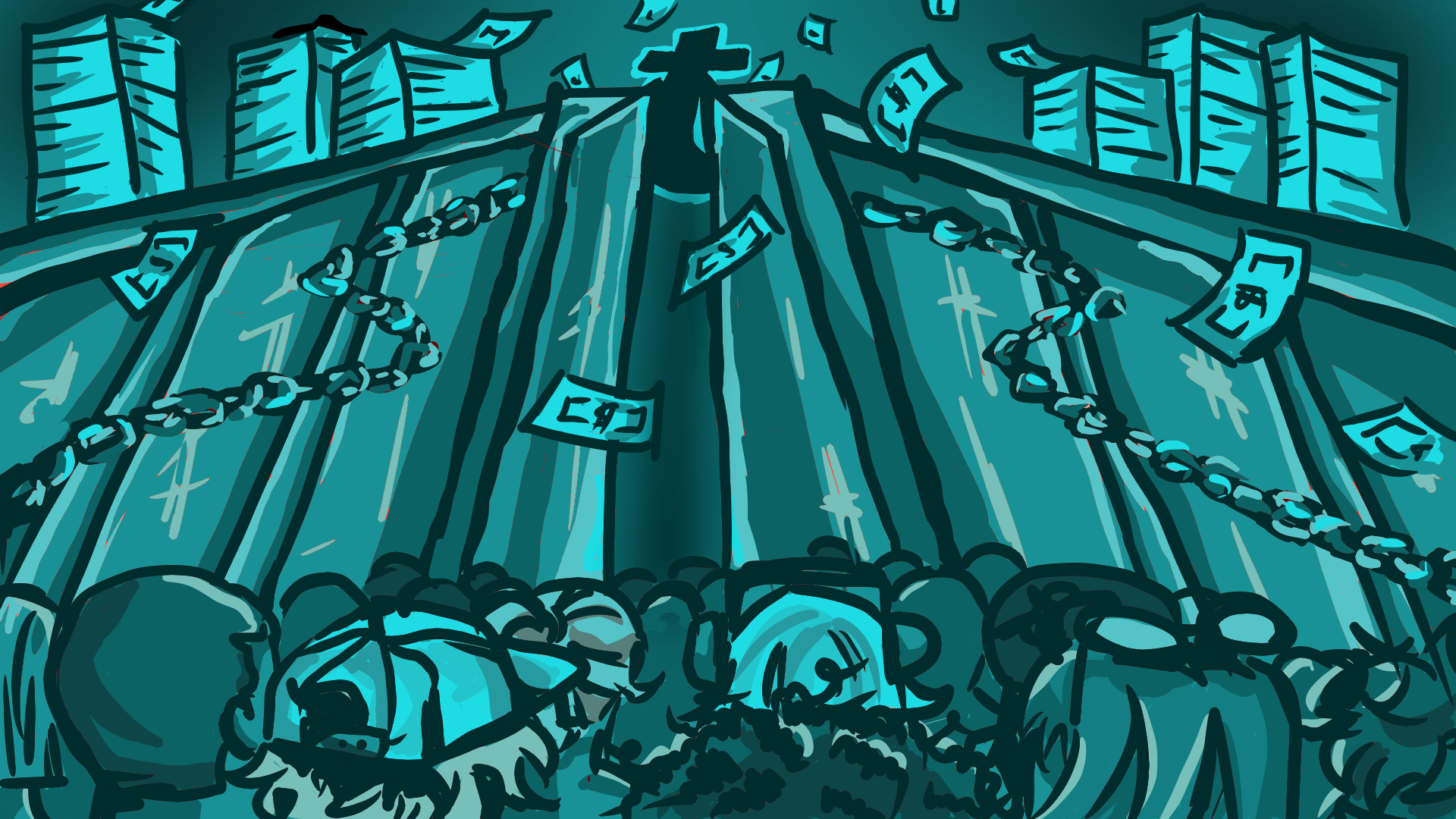
This article examines how streaming has transformed music from something consumers once purchased into an always-available utility, while making it increasingly difficult for many artists to earn a sustainable income. Platforms, record labels, and vertically integrated companies like Live Nation and Ticketmaster capture much of the value generated by music, leaving creators with a comparatively small share. Drawing on industry data and interviews with emerging musicians, the piece ultimately uses the music industry as a broader case study of digitalization, questioning whether algorithmic convenience is shifting economic power toward the technology companies that control access, distribution, and attention.
In this editorial, Financial Markets Editor Daneez Ahmed looks past Klarna’s pastel branding and “pay in 4” promise to the debt sitting underneath. Her piece traces how Klarna courts Gen Z and Millennials as a budgeting tool, even as it reassures merchants that its logo at checkout will nudge customers to spend more and walk away with fuller carts. Ahmed shows how that gap in messaging, combined with the way Klarna approves, reports on, and collects its loans, can leave users carrying risks that feel very different from the light, “smooth” experience they were sold.
Many journalists, behavioural scientists and other experts have tried to explain the dip in alcohol sales among Gen Z consumers. Some attribute it to younger demographics having more concern for their health, the cost-of-living crisis, or preferences for marijuana instead. In this article, Editor Amy Simcoe aims to get to the root of the issue, exploring factors like the job market, Gen Z’s drug use and messaging surrounding health and wellness. This article will also explore the companies capitalizing on the ‘mocktail’ trend, and where the adult beverage industry is headed.
Far more than fashion’s biggest night, the Met Gala has become a powerful engine for brand visibility, consumer demand, and cultural influence. The article examines how luxury brands use celebrity partnerships and viral red-carpet moments to generate significant returns, while shaping trends across luxury, resale, and mass-market fashion. Ultimately, the Gala shows how commercial strategy can coexist with fashion’s artistic and philanthropic purpose.
Loneliness has become both a growing social problem and a major business opportunity, creating markets for everything from AI companions and friendship apps to social clubs and wellness spaces. Companies are increasingly treating community as a competitive advantage, recognizing that belonging can build loyalty in ways products alone cannot. Yet this “loneliness economy” raises an important tension: whether businesses are genuinely rebuilding human connection or simply monetizing its absence.
American Eagle and GAP offer two contrasting approaches to capturing Gen Z’s attention in a crowded digital landscape. While American Eagle used calculated controversy and provocative imagery, GAP leaned into inclusivity, cultural relevance, and participation. Both campaigns show how a strong brand identity can turn online conversation into engagement, loyalty, and sales.
Gen Z is shifting the gym industry by treating fitness centres as highly active social hubs and wellness spaces, directly threatening the traditional business model that relies on members paying but staying home. While Planet Fitness faces rising variable costs and strained franchise margins due to this surge, PureGym is thriving by successfully monetizing actual presence through diversified ancillary revenues, personal training, and premium membership tiers
The rise of the viral $20 Hailey Bieber Strawberry Glaze Skin Smoothie at luxury grocery chain Erewhon serves as a case study for how the health and wellness industry has been commodified into a performative status symbol. While these trends project an exclusive aesthetic of wealth and privilege on social media, they simultaneously create massive accessibility gaps for everyday consumers facing food insecurity. Ultimately, this shift highlights a broader societal issue where nutrition and self-care are packaged as premium luxury experiences rather than universal goods
In Queen's Business Review (QBR) Politics and the World section, Editor-in-Chief Jacob Kranjac examines the 2024 U.S. presidential election through the candidacy of Kamala Harris, revealing how gendered media narratives continue to shape political perception and the broader realities faced by women in politics.
In Queen's Business Review (QBR) Strategy portfolio, Editor-in-Chief Jacob Kranjac explores how organizations can prevent “failure to launch,” introducing a community-centered approach to onboarding and examining how connection, shared experiences, and cultural alignment can be leveraged as strategic advantages.
Join our Team!
Why QBR?
Contribute to Queen’s sole business publication.
Premium access to top publications.
Gain first-hand experience in publishing your work!
Build a network of like-minded individuals.
Where QBR can take you…
Uber
McKinsey & Co
Deloitte
Dropbox
BMO
Morgan Stanley
BCG
Goldman Sachs
MLSE
P&G
Uber McKinsey & Co Deloitte Dropbox BMO Morgan Stanley BCG Goldman Sachs MLSE P&G
This article examines how streaming has transformed music from something consumers once purchased into an always-available utility, while making it increasingly difficult for many artists to earn a sustainable income. Platforms, record labels, and vertically integrated companies like Live Nation and Ticketmaster capture much of the value generated by music, leaving creators with a comparatively small share. Drawing on industry data and interviews with emerging musicians, the piece ultimately uses the music industry as a broader case study of digitalization, questioning whether algorithmic convenience is shifting economic power toward the technology companies that control access, distribution, and attention.